What Is Occupational Hygiene and Why It Matters for Every Workplace
Occupational hygiene, sometimes called industrial hygiene, is the science of protecting people in the workplace from health hazards.
This is an abridgement of article posted by HSE Australia
Occupational hygiene, sometimes called industrial hygiene, is the science of protecting people in the workplace from health hazards. It focuses on identifying, assessing and controlling risks that could lead to illness, injury or long-term harm. This isn’t just about employees. It includes contractors, visitors and anyone who may enter the workplace.
The Purpose of Occupational Hygiene
Occupational hygiene aims to anticipate, recognise, evaluate, control and then confirm protection from hazards at work. In simple terms, it involves:
- Identifying potential hazards
- Measuring and monitoring levels of exposure
- Putting effective controls in place
- Checking that those controls are working
The goal is to prevent long-term health issues, not just accidents. Good hygiene practices support safer, healthier and more productive workplaces.
Where It Applies
Occupational hygiene applies to almost any environment. It is used in factories, construction sites, warehouses, hospitals, offices and even outdoor work settings. Common hazards include:
- Chemical hazards such as gases, fumes, solvents and heavy metals
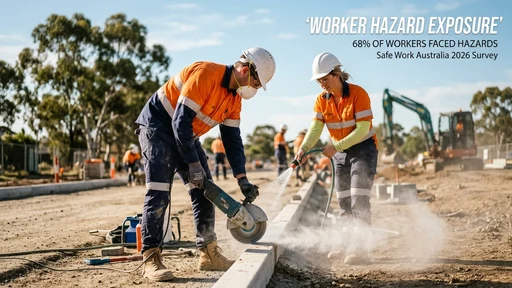
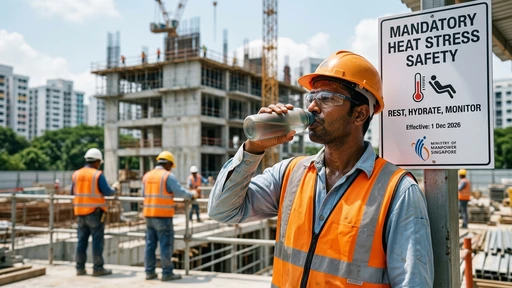
- Physical hazards including dust, noise, vibration, heat, cold and diesel exhaust
- Biological hazards such as mould, bacteria, viruses and poor indoor air quality
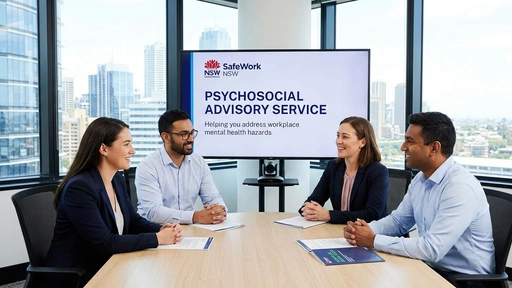
- Psychosocial factors like stress or excessive workload, depending on the workplace
Because these hazards exist across many industries, occupational hygiene assessments are valuable for a wide range of organisations.
What Occupational Hygienists Do
Trained occupational hygienists use scientific and engineering methods to monitor and improve workplace conditions. Their work may involve:
- Conducting workplace inspections
- Measuring dust, noise, air quality or contaminant levels
- Assessing biological risks such as mould or airborne microbes
- Recommending effective controls such as ventilation improvements, safe work practices or PPE
- Verifying that implemented controls are functioning as intended
Their expertise helps organisations meet their duty of care and create healthier work environments for everyone who enters the space.
Why It Matters
Workplace health and safety is often associated with preventing physical accidents. Occupational hygiene adds another essential layer by protecting people from hazards that build up over time. Without proper controls, long-term exposure can lead to chronic health conditions, reduced wellbeing and costly consequences for both workers and businesses.
By investing in occupational hygiene, organisations strengthen their safety culture, improve employee wellbeing and reduce the risk of future harm.