Effective Briefing and Debriefing Techniques for Team Success
Why most workplace debriefs fail — and the brief and debrief framework two former combat pilots use to build high-performing safety teams.
_edited.avif)
In today's fast-paced work environment, effective communication is critical for team success. Whether you’re leading a project, managing a team, or ensuring safety protocols, the ability to conduct efficient briefings and debriefings can significantly impact your outcomes. In this post, we’ll explore proven techniques that can transform the way your team communicates and learns from experiences, helping you foster a culture of continuous improvement.
Why Effective Briefing and Debriefing Matter
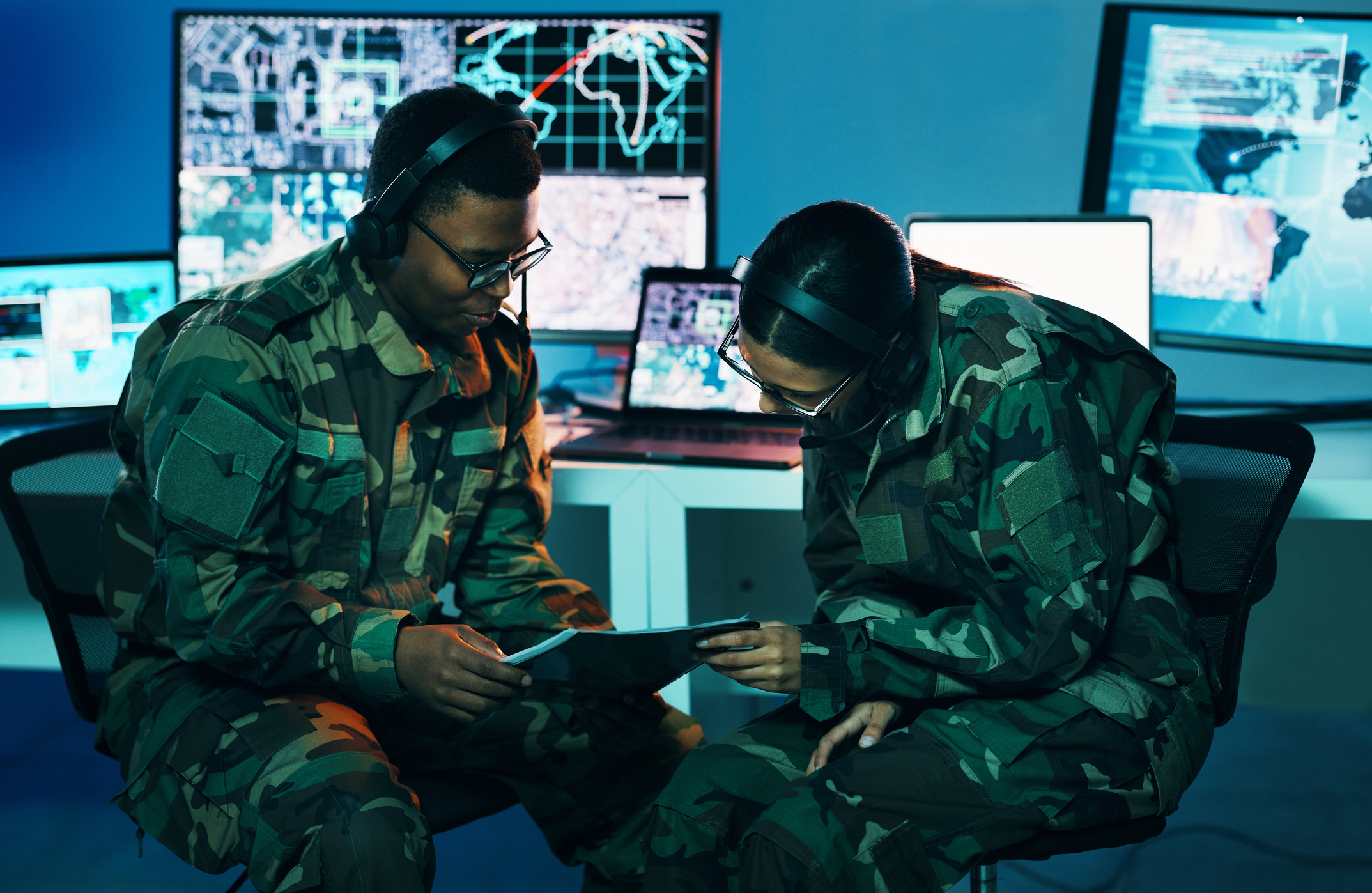
Effective briefing and debriefing are not just routine processes; they are vital for ensuring clarity, safety, and team alignment. Organisations across various sectors, from aviation to construction, have long recognised the importance of these practices. In combat aviation, for example, structured briefings and debriefings are non-negotiable, ensuring that teams stay aligned, and risks are surfaced before they escalate into incidents.
The Importance of Setting the Tone
When starting a briefing, the tone you set can influence the entire session’s effectiveness. As a leader, entering the room with a positive, energetic attitude can create an inviting atmosphere. Conversely, if you appear disengaged or distracted, it can demoralise your team and diminish their focus. Start by acknowledging the team’s efforts and expressing enthusiasm for the task at hand. This contagious behavior fosters a collaborative environment and encourages team members to actively participate.
Establishing a Clear Structure
A successful briefing requires a clear structure. This helps ensure that all critical points are covered and allows team members to anticipate what comes next. Here are key components of a structured briefing:
- Set Objectives: Begin by establishing specific, measurable goals using the SMART criteria (Specific, Measurable, Achievable, Realistic, and Time-bound). Avoid vague phrases like "get better"; instead, define what success looks like in concrete terms.
- Define Roles and Resources: Clearly outline who will be responsible for each task and what resources will be available. Understanding team members’ roles fosters collaboration and ensures everyone knows where to seek support.
- Contingency Planning: Discuss potential challenges and how the team will respond. Consider both the most likely and the most critical issues that may arise, preparing your team to adapt quickly.
- Encouraging Assertion: Foster an environment where team members feel comfortable expressing concerns or suggesting improvements. None of us are as smart as all of us, and tapping into the collective knowledge of the team can lead to better outcomes.
- Check Understanding: At the end of the briefing, assess whether everyone has grasped the key messages. Instead of simply asking if there are questions, use the "pose, pause, pounce" technique: pose a question, pause for reflection, and then engage with team members to check understanding.
The Debriefing Process: Learning from Experience
Debriefing is equally crucial as it allows teams to reflect on their performance and learn from experiences. Here’s how to conduct an effective debrief:
- Review Objectives: Start by revisiting the goals set during the briefing. Did the team achieve what they aimed for? What metrics were met or missed?
- Encourage Open Discussion: Create a safe space for team members to share their thoughts openly. What went well? What could have been done differently? This reflection promotes accountability and collective learning.
- Identify Lessons Learned: Focus on extracting actionable insights from the discussion. What lessons can be applied in future tasks to prevent similar issues?
- Celebrate Successes: Acknowledge and celebrate achievements, no matter how small. Recognising success boosts morale and motivates the team to continue improving.
- Document Findings: Record the main points discussed during the debriefing. This documentation should serve as a reference for future tasks and help in tracking progress over time.
Key Takeaways for Implementing Briefing and Debriefing
- Set the Right Tone: Approach each session with energy and positivity to encourage participation.
- Structure is Key: Use a clear format that includes objectives, roles, contingencies, and understanding checks.
- Foster Open Communication: Build a culture where team members feel safe to voice opinions and share feedback.
- Reflect and Learn: Use debriefing as an opportunity to grow and enhance team performance.
Conclusion
Effective briefing and debriefing are essential skills for any leader aiming to enhance team performance and safety. By implementing structured techniques and fostering a culture of open communication, you can ensure that your team not only meets its objectives but also learns and grows from each experience. Remember, the goal is to create an environment where lessons stick, and continuous improvement becomes the norm.
For further insights into enhancing team dynamics and performance, check out our related posts below!
Frequently Asked Questions
What is the purpose of a briefing?
A briefing serves to align team members objectives, roles, and expectations before executing a task or project.
How often should debriefings be conducted?
Debriefings should be conducted after every significant task or project to review performance and identify lessons learned.
What techniques can improve team communication?
Encouraging open dialogue, setting clear expectations, and using structured formats can greatly enhance team communication.
For further information or to reach out to the On Target Teaming, team, please click here!
Author