
Asbestos Isn’t History: Why WHS Teams Need to Revisit a Legacy Risk
Asbestos may be banned, but it has not disappeared. Learn why WHS teams need current registers, clear controls and better visibility.
.png)
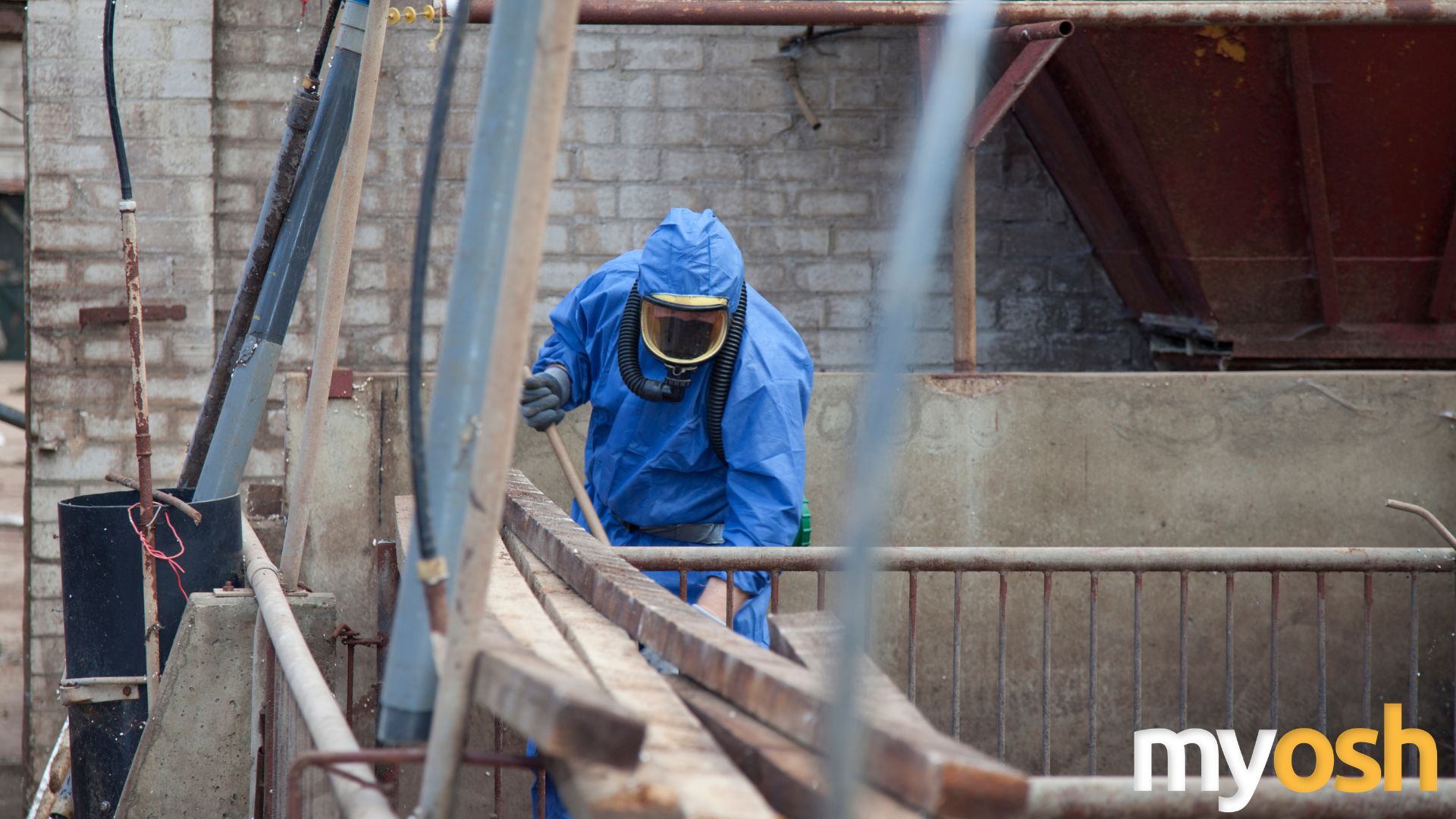
Asbestos is often spoken about as a risk from the past. It was widely used, eventually banned, and is now treated by many organisations as something that sits quietly in a register, a property file or an old building report.
But asbestos has not disappeared.
Across Australia, asbestos-containing materials can still be present in older buildings, infrastructure, plant and equipment. In many workplaces, the risk only becomes visible when something changes: a maintenance task, a refurbishment, a demolition project, storm damage, an emergency repair or a contractor cutting into a surface without the full picture.
That is why asbestos management cannot be treated as a one-off compliance exercise. It needs to be part of a live WHS system that keeps information current, accessible and connected to the work being done.
The risk is not just “asbestos exists”
In many workplaces, asbestos-containing materials may remain in place if they are identified, assessed, stable and appropriately managed. The danger increases when those materials are damaged, disturbed or poorly controlled.
This is where practical WHS management becomes critical.
The issue is not simply whether an asbestos register exists. The bigger questions are:
- Do workers and contractors know where asbestos-containing materials may be located?
- Is the asbestos register current and easy to access?
- Are controls linked to actual maintenance and project work?
- Are inspections, condition reviews and actions being completed?
- Are workers encouraged to stop and ask before disturbing unknown materials?
- Are exposure events recorded, investigated and followed up properly?
When asbestos information is buried in a document that only a few people can find, the organisation may technically have a record but still lack real control.
Why asbestos deserves renewed attention
There are several reasons WHS teams should revisit asbestos management now.
First, many asbestos-containing materials are ageing. A material that was once considered stable may deteriorate over time due to weather, vibration, water damage, impact or general wear. What was a low-priority item several years ago may not remain low priority today.
Second, workplaces are changing. Fit-outs, upgrades, maintenance programs, decarbonisation projects, building services changes and asset renewals can all create disturbance risks. Even small tasks can become serious if workers do not know what they are cutting, drilling, sanding, removing or accessing.
Third, contractor activity introduces handover risk. A contractor may be competent, trained and licensed for their own work, but still be exposed to risk if the site’s asbestos information is incomplete, hard to access or not communicated before work starts.
Finally, asbestos-related disease has a long latency period. The consequences of poor control may not be seen immediately, which can make the risk easier to underestimate. Good asbestos management requires organisations to act before there is visible harm.
From register to active control
An asbestos register is an important starting point, but it should not be the end of the process.
A useful asbestos register should identify where asbestos or assumed asbestos is located, the type and condition of the material, the date it was identified, and any controls or actions required. It should be reviewed and updated when conditions change, when new information is obtained, or when work affects the area.
An asbestos management plan then explains how the organisation will manage the risk. It should outline responsibilities, inspection requirements, control measures, communication processes, training needs, emergency arrangements and how asbestos-related work will be controlled.
The challenge for many organisations is not knowing that these documents are required. The challenge is keeping them alive.
A static register can quickly become disconnected from the realities of day-to-day work. For example, a maintenance request may be raised without reference to asbestos information. A contractor may receive a general induction but not the site-specific register. A corrective action may be entered in a spreadsheet but never linked to the affected location. A condition review may be overdue without anyone noticing.
This is where digital WHS systems can make a practical difference.
What WHS teams should check
A useful asbestos review does not need to start with complexity. It can begin with a few clear checks.
1. Is the asbestos register current?
Confirm when the register was last reviewed, whether it covers all relevant buildings, structures and plant, and whether it reflects recent works, removals or changes in condition.
2. Is asbestos information easy to access?
Workers, supervisors, facilities teams and contractors should be able to access the information they need before work begins. If the register is difficult to find, stored in multiple versions or only available through one person, it is unlikely to support real-time decision-making.
3. Are controls connected to work planning?
Asbestos information should be considered before maintenance, refurbishment, demolition, excavation or intrusive work. This may include permit processes, contractor pre-start checks, safe work method statements, isolations, signage and competent advice.
4. Are actions being tracked?
If asbestos-containing materials are damaged, deteriorating or scheduled for removal, there should be clear actions, owners and due dates. These should not sit in a forgotten report. They need to be visible until closed.
5. Are workers and HSRs confident to speak up?
Health and safety representatives can play an important role in raising concerns and asking whether asbestos risks are being managed properly. Workers also need to know that it is acceptable to pause work when a material is unknown or a control is unclear.
6. Is there a process for suspected exposure?
If asbestos is unexpectedly disturbed, the response should be clear: stop work, isolate the area, prevent further disturbance, notify the right people, arrange competent assessment, record the event and follow any required reporting or health monitoring processes.
The role of visibility
Asbestos risk management depends on visibility. Not just visibility of the hazard, but visibility of the controls.
A WHS team needs to know which sites have asbestos-containing materials, which items are deteriorating, which inspections are overdue, which contractors have acknowledged the relevant information, and which corrective actions are still open.
Without that visibility, organisations can become dependent on memory, local knowledge or paper-based processes. That may work until someone is absent, a contractor changes, an urgent job is raised, or a site is modified.
Digital safety systems help bring asbestos information into the same environment as hazards, inspections, actions, contractor management, permits, incident reporting and dashboards. This makes it easier to connect asbestos controls to the work that could disturb asbestos in the first place.
A legacy risk still needs active management
Asbestos may be a legacy issue, but it is not a closed issue.
For WHS teams, the goal is not simply to have an asbestos register on file. The goal is to make sure asbestos risks are identified, communicated, reviewed and controlled before exposure occurs.
That means keeping records current, making information accessible, tracking actions, involving workers and HSRs, and ensuring contractors have the right information before they begin work.
The organisations that manage asbestos well are not the ones that treat it as a historical problem. They are the ones that recognise it as a live risk that can reappear whenever materials are disturbed, assumptions go unchecked or controls become invisible.
Asbestos is not something to panic about, but it is something to keep managing carefully. In WHS, the risks we think we already know are often the ones most worth revisiting.
