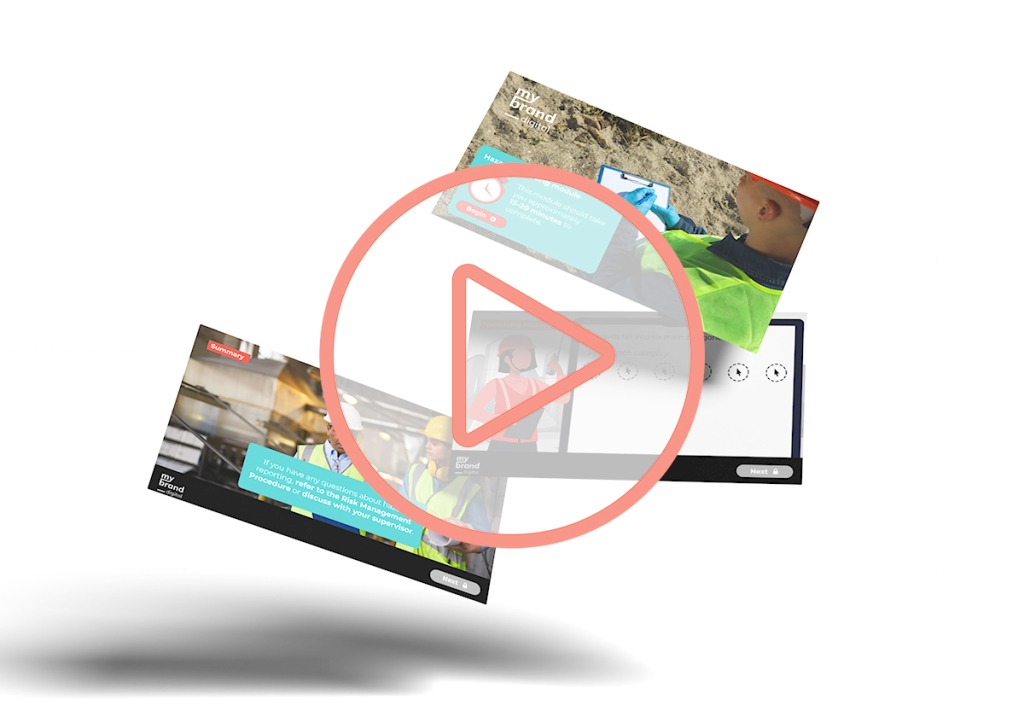
Hazard Reporting
This module teaches workers how to identify and report uncontrolled hazards in the workplace.

Content provided by:
Mybrand Digital

Understanding Hazard Reporting
This module teaches workers how to identify and report uncontrolled hazards in the workplace. It outlines the six main hazard types (including psychosocial and ergonomic), how to detect them using observation and instincts, and the steps for completing a hazard report form. The module also highlights the importance of follow-up, improvement suggestions, and how hazard reporting contributes to a safer work environment.
By the end of this module, you will be able to understand:
- What a hazard is and why reporting uncontrolled hazards is essential
- The six main types of hazards
- How to identify hazards using your senses, questioning, and reference materials
- The three types of hazards
- How to complete a Hazard Report
- The role of hazard reporting in workplace safety and continuous improvement
- How hazard reporting can lead to broader safety improvements across the organisation
- Where to find additional information and guidance on hazard reporting
Relevant Australian Legislation:
- Work Health and Safety Act 2011 (Cth) – Requires workers to take reasonable care for their own safety and the safety of others, including reporting hazards.
- WHS Regulations 2011 (Cth) – Covers general risk management duties, hazard identification, and control implementation.
- Model Code of Practice: How to Manage Work Health and Safety Risks
This module will take approximately 15 minutes to complete.