
Carbon Monoxide Exposure in Australian Workplaces: New Safety Alert Highlights Hidden Risks
Learn about carbon monoxide exposure risks in Australian workplaces, prevention measures, and new workplace exposure limits taking effect in 2026.

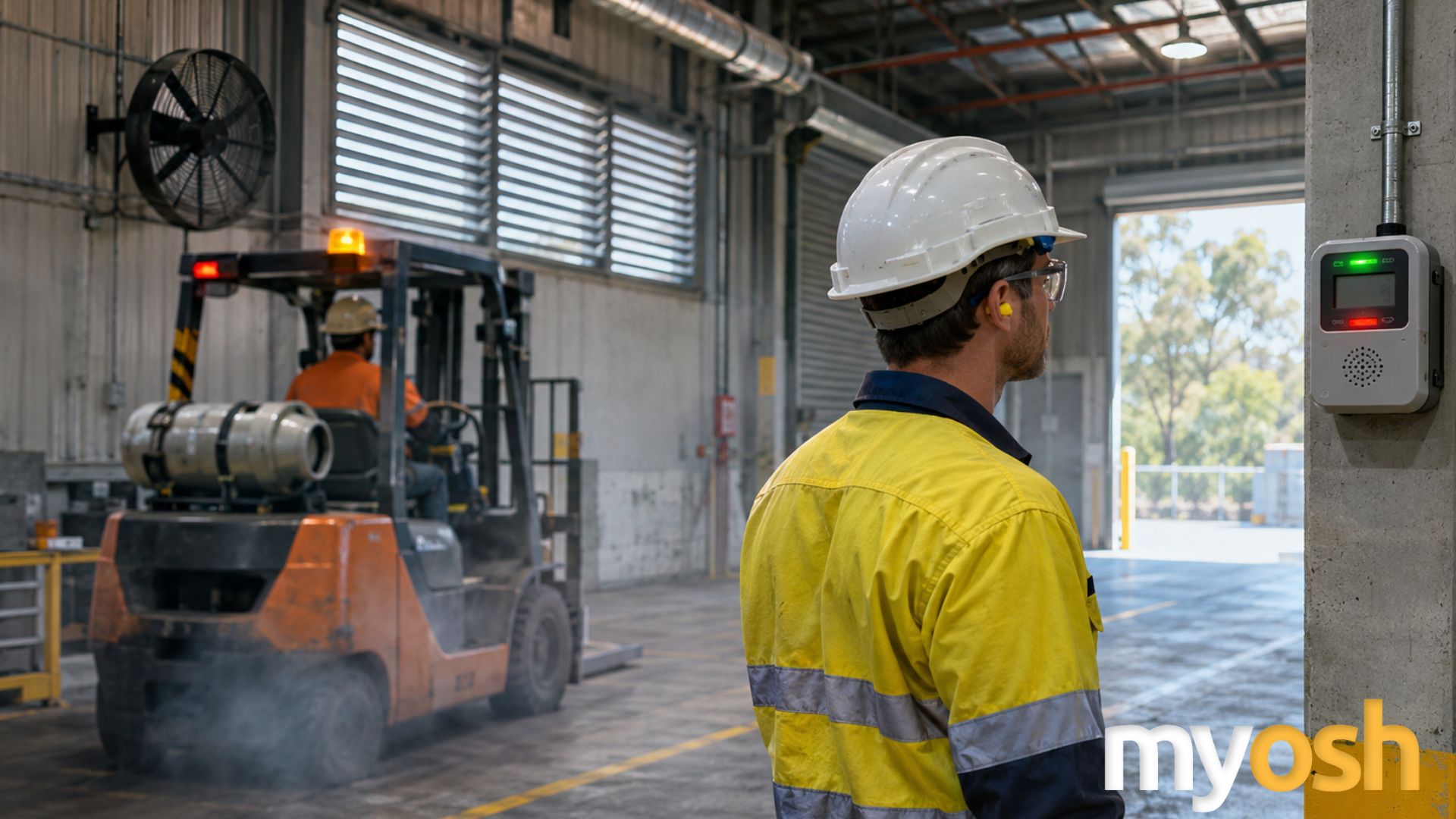
A new SafeWork NSW safety alert highlights the dangers of carbon monoxide exposure in enclosed workplaces, as Australian businesses prepare for stricter workplace exposure limits from December 2026.
Carbon monoxide exposure remains a serious workplace health and safety risk across Australia, particularly in environments where fuel-powered vehicles, machinery and heating equipment operate.
On 29 October 2026, SafeWork NSW issued a safety alert following an increase in reported exposure incidents, including situations where vehicles were left running in enclosed or attached garages without adequate ventilation.
The warning follows earlier concerns raised by SafeWork SA, which issued a safety alert in March 2024 after several carbon monoxide poisoning incidents, including a workplace fatality.
With new Australian workplace exposure limits taking effect on 1 December 2026, employers are being reminded of the importance of identifying carbon monoxide hazards and implementing effective controls.
Why is carbon monoxide a workplace hazard?
Carbon monoxide (CO) is a colourless, odourless and tasteless gas produced when fuels such as petrol, diesel, LPG, natural gas, wood and coal burn incompletely.
Because the gas cannot be detected by human senses, workers may be exposed without realising it. Carbon monoxide interferes with the blood's ability to transport oxygen around the body, potentially causing serious illness or death. Exposure can occur wherever fuel-burning equipment operates, particularly in enclosed or poorly ventilated areas.
Common high-risk environments include:
- Warehouses and distribution centres using fuel-powered forklifts
- Workshops, factories and vehicle maintenance facilities
- Construction sites using generators, concrete saws or other petrol-powered equipment
- Underground mines, tunnels and confined spaces
- Garages and loading docks where vehicles are left idling
- Indoor facilities using gas-powered machinery, heaters or other combustion equipment
Even areas that are partially open can become hazardous if ventilation is insufficient to disperse exhaust emissions.
Recognising the symptoms of carbon monoxide poisoning
One of the challenges associated with carbon monoxide exposure is that early symptoms can be mistaken for fatigue, dehydration or other common illnesses.
According to NSW Health and SafeWork NSW, symptoms can include:
- Headaches and dizziness
- Nausea or vomiting
- Weakness and fatigue
- Confusion or impaired judgement
- Shortness of breath
- Loss of coordination
More severe exposure can cause unconsciousness, permanent neurological injury or death.
Carbon monoxide can also impair concentration and decision-making, increasing the potential for secondary workplace incidents involving machinery, vehicles and other hazards.
If carbon monoxide exposure is suspected, workers should leave the affected area immediately and seek medical assistance. Call Triple Zero (000) for serious symptoms or emergencies. Workers must not re-enter a potentially contaminated area until it has been assessed and confirmed safe.
Australia's carbon monoxide exposure limits are changing
Under Australian work health and safety requirements, persons conducting a business or undertaking (PCBUs) must manage risks associated with airborne contaminants, including carbon monoxide.
The current Australian workplace exposure standard for carbon monoxide is an eight-hour time-weighted average of 30 parts per million (ppm).
From 1 December 2026, this will reduce to 20 ppm under Australia's new Workplace Exposure Limits (WEL) framework.
This change reinforces the need for businesses to review existing risk assessments, ventilation arrangements and exposure monitoring procedures. Importantly, compliance with an exposure limit does not necessarily mean an environment is free from risk. Employers must still eliminate or minimise exposure so far as is reasonably practicable.
Businesses operating fuel-powered equipment indoors should consider whether their existing controls remain appropriate ahead of the updated limits.
How can workplaces reduce the risk of carbon monoxide exposure?
SafeWork NSW and SafeWork SA recommend a range of practical measures to reduce the likelihood of carbon monoxide poisoning.
1. Eliminate or substitute fuel-powered equipment
Where reasonably practicable, replace petrol, diesel or LPG-powered equipment with electric alternatives. Examples include using electric forklifts instead of internal combustion forklifts or selecting electric tools for tasks performed indoors. Eliminating the source of carbon monoxide is generally more effective than relying solely on ventilation or personal protective equipment.
2. Maintain adequate ventilation
Workplaces should ensure that enclosed and partially enclosed areas have ventilation appropriate to the equipment and activities being undertaken. This may include mechanical extraction systems, local exhaust ventilation and changes to where equipment is operated. Opening doors or windows alone may not provide adequate protection.
3. Conduct air monitoring
Where there is uncertainty about exposure levels, businesses should arrange appropriate workplace air monitoring. A competent person, such as an occupational hygienist, can help assess exposure risks and determine whether existing controls are effective. Carbon monoxide detection systems and alarms can provide an additional warning of hazardous conditions, provided they are correctly selected, installed, maintained and calibrated.
4. Inspect and maintain equipment
Fuel-powered machinery and heating appliances should be regularly inspected, serviced and maintained in accordance with manufacturer requirements. Poorly maintained engines, damaged exhaust systems or faulty combustion equipment can increase carbon monoxide emissions.
5. Train workers and establish emergency procedures
Workers should understand where carbon monoxide may be present, recognise the symptoms of exposure and know how to respond to an alarm or suspected incident. Emergency arrangements should address evacuation, medical assistance, incident reporting and safe re-entry procedures. Businesses should also consult workers and health and safety representatives when identifying hazards and reviewing control measures.
The importance of ongoing risk management
Carbon monoxide exposure is not limited to workplaces traditionally associated with hazardous chemicals. A change in equipment, work activities, ventilation or building configuration can introduce exposure risks into previously low-risk environments.
For employers, effective management requires more than a one-off risk assessment.
Regular inspections, equipment maintenance, exposure monitoring and worker consultation all contribute to identifying changes before they result in serious incidents.
As Australia's new workplace exposure limits approach, businesses should review their existing controls and ensure that carbon monoxide risks are appropriately identified, assessed and managed.
The latest safety alerts serve as a reminder that invisible hazards require proactive controls — not just a response after exposure has occurred.
